
sustainable architecture in panamá.
why an unshaded glass building costs more in panamá, and which tropical design moves fix it.
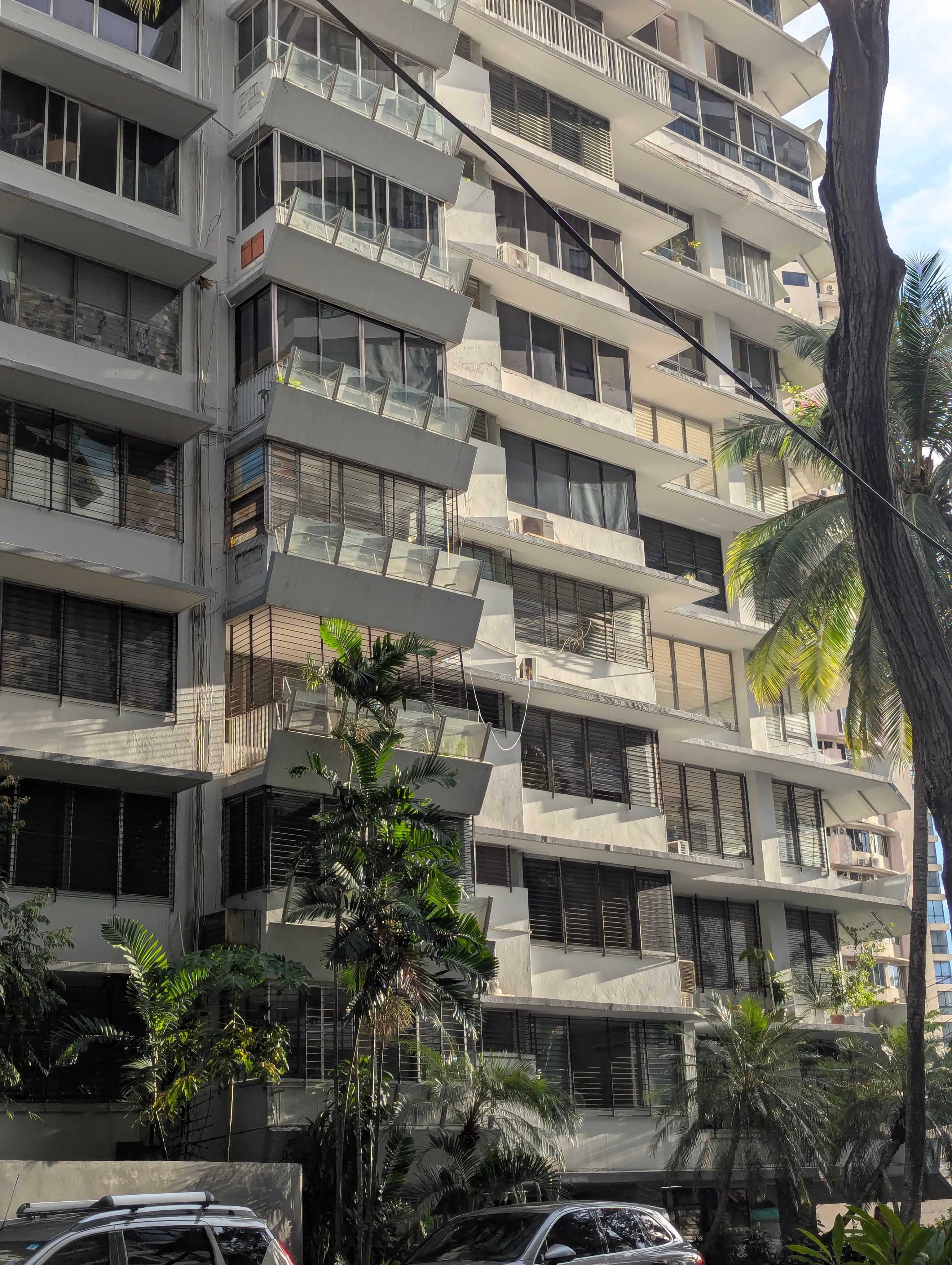
why glass buildings are costly in the tropics.
in the last two decades, panamá’s skyline filled up with glass towers. they look modern and let in a lot of light. they also let in a lot of heat, and that heat is paid for every month on the air-conditioning bill.
the fix is to put the glass in the right place and give it shade.
what you see in the city
many office towers have continuous glass on all four facades. in the afternoon, the sun bounces between neighboring buildings and adds heat and glare.
older tropical buildings, with deep balconies, galleries and ventilated roofs, usually stay reasonable inside with little air-conditioning. they look less corporate, but they answer the climate better.
i don’t name specific projects. the question is about a habit: why do we keep repeating a building type that works against our own climate?
electricity in panamá gets expensive when you use a lot
the residential tariff is progressive. the first 300 kwh of the month run around USD 0.091 each; from 301 to 750, about 0.158; above 750, about 0.230. air-conditioning is usually what takes a house into the expensive block.
worldwide, air conditioners and fans already use about a fifth of the electricity in buildings, and without action the energy for cooling will more than triple by 2050 (iea, the future of cooling, 2018).
what glass does with heat
sunlight passes through the glass, warms the floor, the furniture and the walls, and that heat stays inside. it’s the greenhouse effect at the scale of a room.
solar-control glass helps, but it doesn’t replace shade. sun stopped outside never turns into heat inside.
how much passive design gains
according to the un, keeping heat out of a building can lower indoor temperatures by 2 to 8 °C and cut annual cooling demand by 25 to 70 kWh per m² (unep, global cooling watch 2025). on average, passive measures save 29% of the energy.
in panamá, the sustainable building guide asks new buildings to save 20% of their energy against a baseline (panamá green building council, 2026).
what works in the tropics
- shade outside the glass. overhangs, vertical fins and screens stop the sun before it reaches the window.
- louvers and mesh. metal, wood or perforated sheet. they let the air through and cut the sun.
- glass by orientation. glass that lets light in and reflects heat, chosen for each facade.
- natural ventilation. windows facing each other, high openings to let hot air out, and night flushing.
- thermal mass. concrete or block walls that soak up the day’s heat and release it at night, where the climate allows it.
- upgrades for existing buildings. window films, added shading or a partial change of glass.
how we work
at entrópica every project starts with the climate of the site: sun, wind and humidity. we model the sun path and simulate the facade with energyplus and ladybug before the design is closed.
less heat coming in allows smaller equipment, which lowers both the cost to install it and the monthly bill.
in short
glass can be part of tropical architecture if it’s shaded and placed where it’s needed. every square meter of facade is a decision you pay for over the life of the building.
if you’re designing or developing in panamá, we can simulate your project before it’s built. write to us.