
centros de datos en el ártico.
¿y si las granjas de servidores se mudaran al norte helado? un diseño especulativo donde aire frío, nieve y agua de mar hacen el trabajo de enfriamiento que hoy hacen las máquinas.
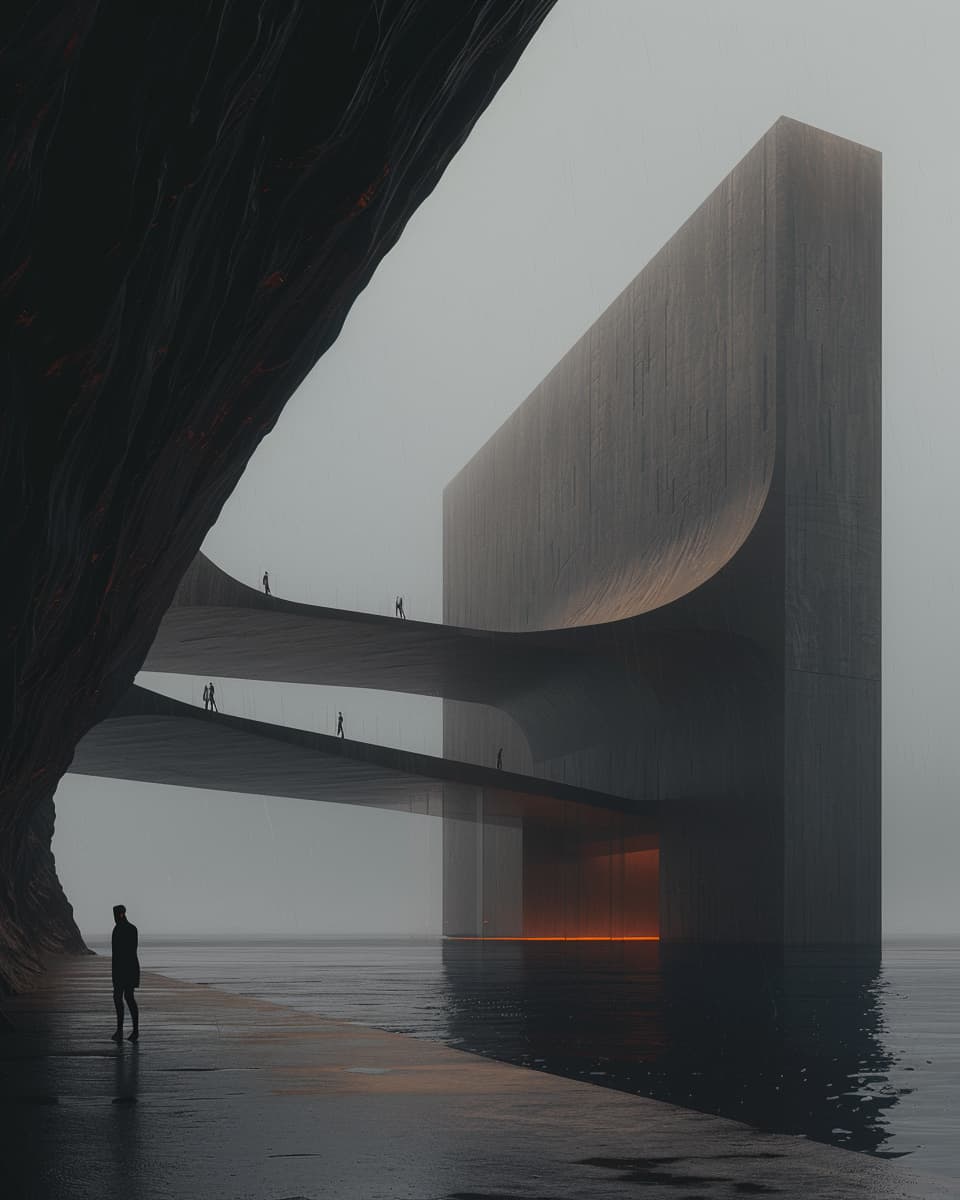
¿y si construyéramos granjas de servidores en el norte helado?
facc · futuras adaptaciones al cambio climático. un diseño especulativo anclado en la termodinámica, perseguido por la energía.
el problema
los centros de datos son una de las cargas energéticas de mayor crecimiento a nivel mundial. construidos en regiones cálidas, dependen de infraestructura masiva de enfriamiento, quemando electricidad solo para evitar que los servidores se sobrecalienten.
el concepto
ubicar los centros de datos en el ártico invierte la ecuación. el aire frío, la nieve y el agua de mar se vuelven recursos naturales de enfriamiento. al integrar las instalaciones en permafrost o sitios costeros, el enfriamiento pasa de las máquinas al clima.
la lógica de diseño
este enfoque sigue los principios del enfriamiento libre. el emplazamiento subterráneo estabiliza las temperaturas, el intercambio térmico con agua de mar reduce las cargas, y las renovables polares como hidroeléctrica y eólica pueden cerrar el ciclo. es una adaptación arquitectónica e infraestructural guiada por la física, no por la cosmética.
el impacto potencial
el emplazamiento ártico podría reducir el uso de energía a la mitad mientras reformula cómo pensamos la geografía de internet. pero también plantea preguntas de ecología, derechos sobre la tierra y resiliencia en sistemas polares frágiles. la provocación: ¿y si el futuro de la infraestructura digital pertenece al frío?
lecturas adicionales
- el experimento submarino de microsoft, project natick, enfriamiento libre a escala
- el centro de datos de facebook en luleå, suecia, emplazamiento ártico con hidroeléctrica
- energy efficiency of data centres, informe de la international energy agency
- arctic infrastructure futures, documento de política del arctic council
- energy and cooling efficiency in hyperscale data centers, applied energy journal
diseñamos edificios para el futuro, no para el pasado. hablemos.