
el espejismo del vidrio.
desmontando la estética modernista templada con física edilicia revisada por pares. por qué una fachada de vidrio sin protección en el trópico es soporte vital, no arquitectura.
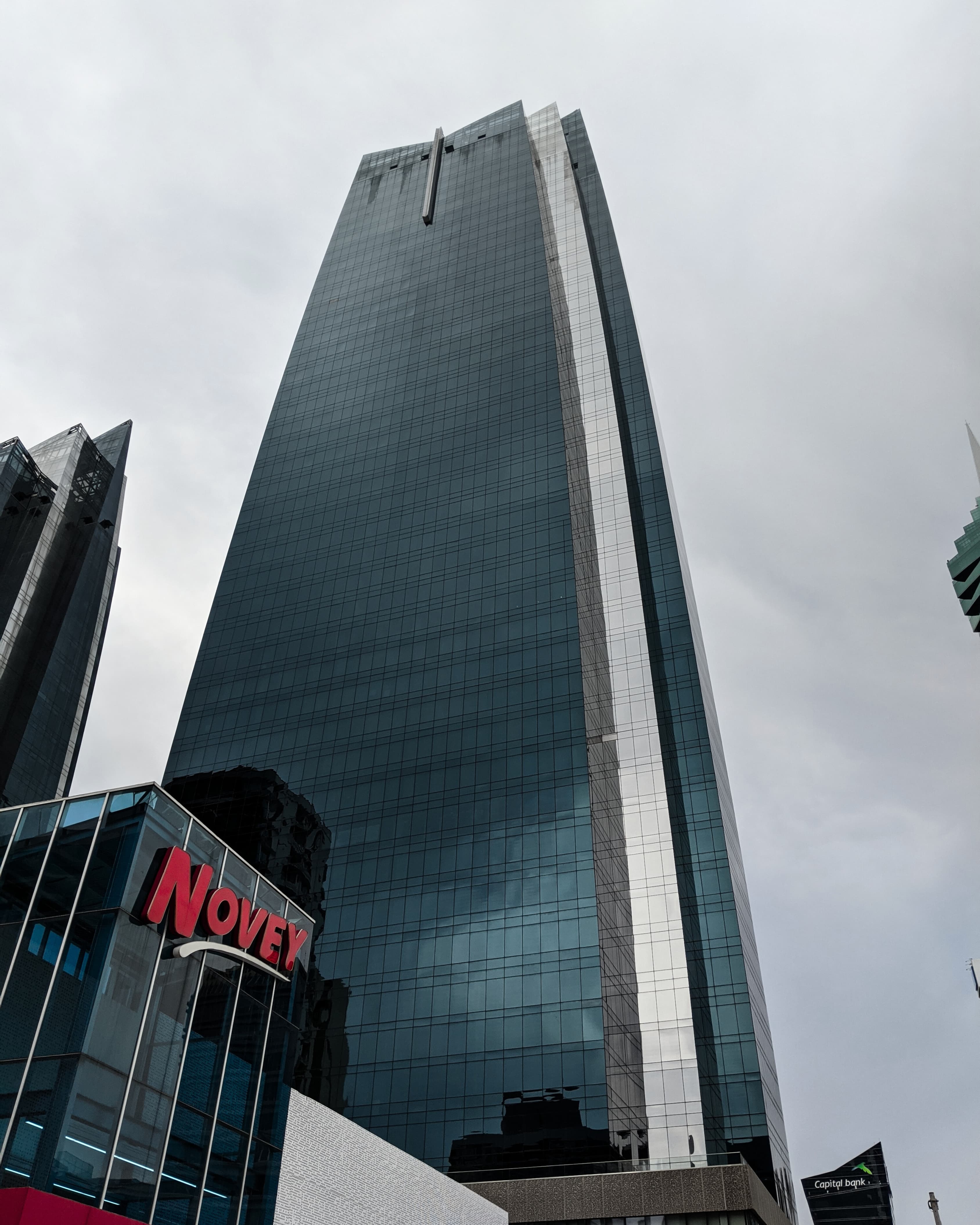
amamos el vidrio de piso a techo. habla de apertura, modernidad y conexión con el exterior. pero en el trópico, esa estética es una importación directa de climas de altas latitudes donde capturar calor solar es una virtud. aquí, es una desventaja. estamos viendo una proliferación de “cajas de vidrio” en ciudades tropicales que dependen completamente de plantas masivas de aire acondicionado para ser habitables. eso no es arquitectura. es soporte vital.
la importación templada
en el norte de europa o de norteamérica, el desafío térmico principal es la calefacción. una fachada de vidrio ayuda a atrapar la radiación solar (el efecto invernadero) para calentar el interior. el sol está más bajo en el cielo, lo que facilita invitar luz natural profunda sin intensidad cenital. los arquitectos formados en esos cánones exportan esa lógica al trópico sin ajustarla. pero en la latitud 0 a 20°, la física se invierte. el sol está en lo alto, intenso y constante. el “efecto invernadero” no es una estrategia pasiva de calentamiento aquí. es un desastre térmico.
lo que el trópico realmente le hace al vidrio
- la ganancia solar es exponencial. rana et al. (2020) demostraron que el consumo energético en oficinas subtropicales sube linealmente cuando la relación ventana-muro supera el 40%.
- incomodidad radiante. aunque la temperatura del aire sea fresca (24°c), la cara interior de una fachada de vidrio asoleada puede alcanzar 45°c o más. tu cuerpo irradia calor hacia superficies frías y absorbe calor de las calientes. ningún aire acondicionado arregla la sensación de estar sentado junto a un radiador.
- deslumbramiento vs vista. halwatura y jayasinghe (2008) muestran que el “uso irracional del vidrio” produce un deslumbramiento tan severo que las persianas se mantienen bajadas el 90% del tiempo. pagas por la vista, pero vives en la oscuridad para evitar el calor.
movimientos de diseño
- reducir radicalmente la relación ventana-muro. apunta al 30 a 40%. enmarca la vista; no expongas toda la envolvente.
- el sombreado externo no es negociable. una vez que el calor llega al vidrio, ya es tarde. aleros horizontales al norte y sur, aletas verticales al este y oeste.
- selectividad espectral. si tienes que usar vidrio, especifica relaciones light-to-solar-gain (lsg) altas. queremos luz, no calor.
- separa luz y vista. usa ventanas clerestorias altas para iluminación natural (rebotada en el cielo) y vidrio bajo para vistas, con sombra independiente.
la capa de durabilidad
- falla de selladores. los altos índices uv en el trópico degradan los selladores de silicona más rápido que en zonas templadas. los muros cortina exigen mantenimiento costoso para evitar filtraciones.
- riesgos de condensación. el vidrio simple en climas húmedos crea condensación afuera (si el a/c está frío) o adentro. el doble vidrio con rotura térmica es esencial, no solo por el calor, sino para gestionar puntos de rocío.
- estrés térmico. el enfriamiento rápido por lluvia sobre vidrio caliente provoca choque térmico y rotura si el vidrio no está templado.
cómo trabajamos el problema
- auditoría de fachada. calculamos tu relación ventana-muro actual o propuesta y la exposición solar.
- mapeo de sombras. generamos estudios anuales de trayectoria solar para diseñar profundidades precisas de sombreado.
- autonomía térmica. simulamos cuántas horas al año el edificio es confortable sin enfriamiento activo.
- especificación. seleccionamos el vidrio según relación lsg y valor u, priorizando disponibilidad local.
la arquitectura en el trópico debe defender el interior del sol, no rendirse a él. la torre de vidrio integral es una reliquia de una era de combustibles fósiles que ya no podemos costear. la verdadera modernidad tropical es fresca, sombreada y protegida.
¿te preocupa la huella energética de tu edificio? escríbenos para una revisión de desempeño de fachada.
fuentes
- rana, j., hasan, r., sobuz, h. r., & tam, v. w. y. (2020). impact assessment of window-to-wall ratio on energy consumption.
- halwatura, r. u., & jayasinghe, m. t. r. (2008). rational use of glass in tropical urban climatic conditions.
- kiryanto, et al. (2021). optic performance of single and double-glazed laminated glass in tropical climate.