
arquitectura sostenible en panamá.
una mirada extensa de por qué la estética de torres de vidrio en panamá es estructuralmente incompatible con su clima y con sus tarifas eléctricas, y qué movimientos de diseño específicamente tropicales sí funcionan.
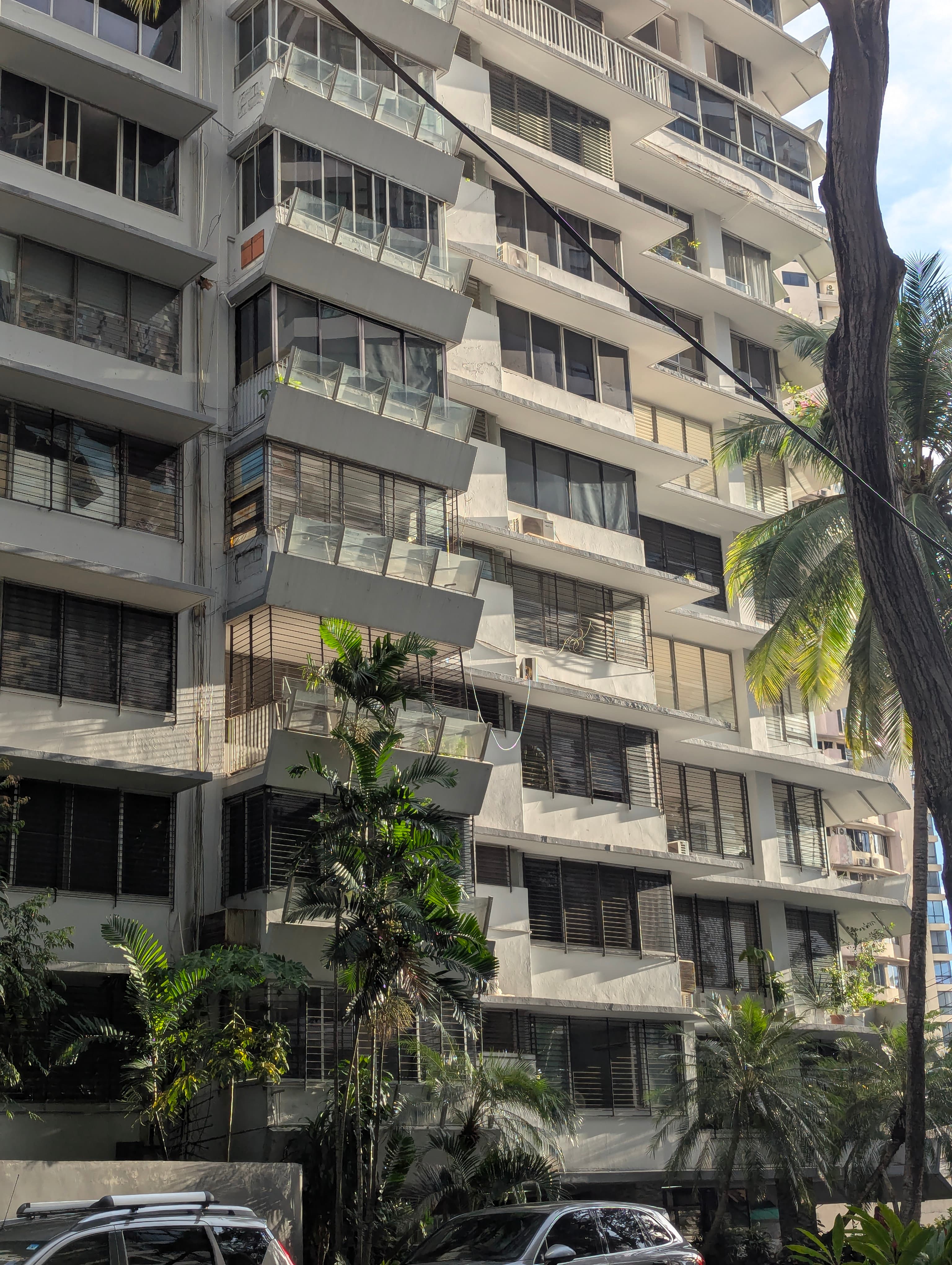
por qué los edificios de vidrio son caros en el trópico.
el skyline de panamá se ha transformado rápido en las últimas dos décadas. las fachadas de vidrio dominan hoy el paisaje urbano: torres brillantes que prometen modernidad, transparencia y prestigio. pero bajo esa superficie pulida hay una contradicción: estas decisiones estéticas tienen un costo ambiental y económico alto.
como arquitecto trabajando en el trópico, veo cada día cómo el sobreuso de fachadas de vidrio sin protección desafía tanto la lógica climática como los principios del diseño sostenible. en un país con tarifas eléctricas altas y calor constante, el vidrio sin protección convierte un edificio en un monumento a la ineficiencia.
observaciones locales
muchas torres de oficinas tienen fachadas continuas de vidrio en todas direcciones. en la tarde se ven reflejos del sol rebotando entre fachadas vecinas, multiplicando el calor y el deslumbramiento.
mientras tanto, los edificios tropicales más viejos (los de balcones profundos, verandas sombreadas o cubiertas ventiladas) suelen mantener condiciones interiores razonables con mínimo enfriamiento. su apariencia será menos “corporativa”, pero su lógica es profundamente sostenible.
evito nombrar proyectos específicos por respeto a los colegas. el objetivo es cuestionar una tendencia, no señalar a colegas: ¿por qué seguimos repitiendo una tipología que va en contra de nuestro propio clima?
el contexto energético de panamá
la electricidad en panamá es cara. al 2024, las tarifas residenciales promedian alrededor de USD 0.175 por kwh, mientras que los usuarios comerciales pagan cerca de USD 0.196 por kwh. el mercado eléctrico nacional opera entre 169 y 199 USD / mwh, aproximadamente el mismo rango de 0.17 a 0.20 USD / kwh.
eso posiciona a panamá entre los países de alto costo eléctrico, con precios más altos que costa rica o el salvador. las razones son estructurales: la generación depende mucho de la hidroeléctrica, pero la variabilidad de las lluvias y la necesidad de respaldo fósil agregan volatilidad. para cualquier edificio con aire acondicionado, estas tarifas se traducen en costos operativos significativos, y para uno totalmente vidriado en el trópico, esos costos se multiplican.
el efecto invernadero de los edificios de vidrio
el vidrio seduce. inunda los interiores de luz natural y ofrece vistas amplias. pero en climas tropicales, su comportamiento bajo radiación solar directa es problemático.
la luz solar entra como radiación de onda corta, choca con las superficies interiores y se re-emite como calor infrarrojo de onda larga. la mayoría del vidrio es opaco a esas longitudes de onda largas, atrapando el calor adentro: el efecto invernadero. el resultado son temperaturas interiores más altas y mayor dependencia del enfriamiento mecánico.
la investigación en climas tropicales ha cuantificado este efecto. los estudios muestran que las fachadas con alta relación de vidrio pueden aumentar la demanda de energía de enfriamiento entre 25 y 50% comparado con envolventes balanceadas. incluso con vidrio de control solar o baja emisividad, la carga térmica sigue siendo sustancial. una evaluación de 2017 sobre métricas de desempeño concluyó que el vidrio claro estándar tiene mal desempeño en latitudes tropicales, y que los tintes o recubrimientos solo mitigan parcialmente el problema.
el costo oculto de la estética
cuando los arquitectos especifican fachadas de vidrio en ciudades tropicales, la decisión suele ser estética o simbólica: “moderno”, “corporativo”, “transparente”. rara vez se basa en clima o desempeño.
sin embargo, cada metro cuadrado de vidrio expuesto incrementa la ganancia térmica interna, elevando tanto la carga de enfriamiento como la capacidad instalada de hvac. esta dependencia mecánica genera un círculo vicioso: más vidrio, más enfriamiento; más enfriamiento, cuentas más altas; cuentas más altas, más presión para cortar comodidad o eficiencia en otro lado. y el calor atrapado dentro de los edificios de vidrio no desaparece: se empuja hacia afuera y hacia la ciudad, empeorando la isla de calor urbana.
para los dueños de edificios, esto se traduce en miles de dólares en gasto energético anual. si una torre de oficinas típica consume 100,000 kwh / año en aire acondicionado, un exceso de 25 a 50% por mal diseño de fachada agrega 25,000 a 50,000 kwh / año, o aproximadamente USD 4,000 a 8,500 anuales, dependiendo de la tarifa. en una vida útil de 25 años, la diferencia puede superar los USD 200,000, sin contar mantenimiento ni reemplazo de equipos.
es un tema no marginal que define la sostenibilidad y el desempeño económico de largo plazo del edificio.
la ironía del modernismo mecánicamente dependiente
hay una ironía filosófica en juego. el estilo internacional (que popularizó las fachadas de vidrio) emergió de contextos templados donde la ganancia solar era bienvenida. copiado acríticamente al trópico, se vuelve autodestructivo.
en el clima cálido-húmedo de panamá, los edificios todo-vidrio requieren enfriamiento mecánico las 24 horas. si el chiller falla o la red se corta, el confort colapsa al instante. compáralo con edificios vernáculos o de respuesta climática que permanecen habitables incluso con los sistemas apagados.
cuando la arquitectura depende enteramente de la energía para corregir sus propios errores ambientales, deja de ser sostenible o siquiera razonable, sin importar cuántas etiquetas verdes acumule.
estrategias de diseño tropical más inteligentes
panamá tiene siglos de sabiduría climática embebida en su arquitectura tradicional. los mismos principios pueden informar el diseño contemporáneo sin sacrificar modernidad.
- dispositivos de sombra. aleros horizontales, aletas verticales y brise-soleil bloquean el sol directo antes de que toque el vidrio. incluso un alero de 1 m puede recortar la exposición solar en pisos superiores en 50%.
- louvers y mallas externas. el sombreado ajustable (metal, malla perforada o madera) permite que los ocupantes controlen el deslumbramiento y la ganancia térmica dinámicamente.
- vidrio selectivo. vidrio low-e o espectralmente selectivo reduce la ganancia solar manteniendo luz visible. los recubrimientos reflectivos o tintados deben ajustarse a la orientación.
- ventilación natural. ventilación cruzada, aperturas por efecto chimenea y purga nocturna disipan el calor acumulado.
- fachadas de doble piel. una cavidad de aire entre capas de vidrio externa e interna permite ventilar el aire caliente.
- masa térmica. muros de concreto o mampostería actúan como amortiguadores, absorbiendo el calor diurno y liberándolo de noche.
- medidas de retrofit. para edificios de vidrio existentes, películas de ventana, adiciones de sombra o re-recubrimiento parcial pueden cortar cargas de enfriamiento hasta 27%.
cuantificando el impacto
algunos números a tener en cuenta:
- un edificio comercial típico de 10 pisos con fachadas integralmente vidriadas puede tener 40 a 60% más ganancia solar que un diseño optimizado.
- la energía de enfriamiento en estos edificios suele representar 60 a 70% del consumo eléctrico total.
- si las tarifas suben (como pasó a inicios de 2024 entre 2 y 15% según el tipo de cliente), los costos operativos pueden escalar más rápido que la inflación.
- a nivel nacional, los edificios comerciales representan aproximadamente 35% del uso eléctrico total, una cifra que se espera crezca con la densificación urbana.
reducir las ganancias por fachada es por tanto una de las vías más directas y costo-efectivas para bajar la demanda energética urbana.
nuestra filosofía de diseño
en entrópica, empezamos cada proyecto entendiendo sus fuerzas climáticas: orientación, vientos predominantes, humedad y geometría solar. el vidrio sin protección nunca es el default.
- clima primero. modelamos la trayectoria solar y evaluamos el comportamiento de la fachada con herramientas como energyplus y ladybug para predecir el consumo energético.
- balance y modulación. combinamos materiales transparentes y opacos estratégicamente, agregando sombra donde haga falta.
- estética a través del desempeño. la belleza emerge cuando forma y lógica energética se alinean: cuando una fachada protege a la vez que deleita.
menos ganancia térmica → equipo mecánico más pequeño → menores costos iniciales y de operación.
este enfoque combina arte, ciencia y responsabilidad. así debe evolucionar la arquitectura sostenible en el trópico: desde la inteligencia local.
conclusión
la arquitectura sostenible en panamá no es asunto de certificaciones ni de eslóganes. es asunto de coherencia. una torre de vidrio enfriada con chillers masivos no es sostenible solo porque instala equipo eficiente. la sostenibilidad empieza cuando las decisiones de diseño mismas (forma, material, orientación) reducen la necesidad de ese equipo.
el vidrio puede ser parte de la arquitectura tropical, pero solo si se usa de forma consciente, sombreado inteligentemente y dimensionado con propósito. cada metro cuadrado de fachada es una decisión energética de largo plazo.
en un país donde la electricidad es cara y el clima no perdona, abrazar el contexto es lo más progresista que un arquitecto puede hacer.
si estás desarrollando o diseñando en la región, entrópica puede ayudarte a simular, medir y optimizar el desempeño energético de tu proyecto, asegurando que belleza, confort y eficiencia coexistan bajo el mismo techo.
fuentes
- globalpetrolprices, 2024. precios de electricidad en panamá.
- climatescope, 2024. perspectiva del mercado energético de panamá.
- sciencedirect, 2023. advances in retrofitting strategies for energy efficiency in tropical climates.
- sciencedirect, 2017. evaluation of building glass performance metrics for the tropical climate.
- mdpi buildings journal, 2024, vol 14 (6): 1633.
- springer, 2024. improving energy performance in tropical office buildings.
- enerdata, 2024. perfil energético de panamá.